

Dental Implants in Clayton
- Home
- Dental Implants in Clayton
Expert Dental Implants In Clayton

Dental Implants in Clayton
A missing tooth can affect the way your teeth meet, how comfortably you chew and how the surrounding teeth carry the load. Replacing it well means considering the whole area rather than simply filling the visible gap. Dental implants offer one option, using an implant in the jaw to support a replacement tooth.
At Dunstan Dental, we’ll examine the missing-tooth site alongside the surrounding teeth and gums. We may also use dental imaging to assess the available bone and nearby structures before planning treatment. This gives us the information needed to determine whether an implant is suitable and how it should be placed.
For consultation regarding dental implants in Clayton, call (03) 9544 5993 to arrange an appointment, or book online.
Our Implant Procedure
A dental implant has three main components: the implant itself, which sits within the jawbone; an abutment, which connects the implant to the restoration; and the replacement tooth that sits above the gum.
For one missing tooth, the visible replacement is usually a crown. When several teeth are missing, implants can support a larger restoration, with the design based on the position of the gaps and the teeth that remain.

Expert Dental Implants In Clayton
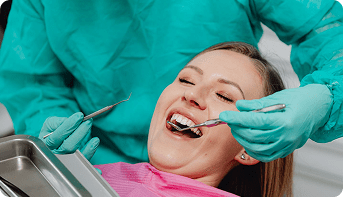
Who Will Look After Your Implant Treatment?
Your implant treatment is planned and carried out by Dr Vandana Budhwar (dentist), who holds a Graduate Diploma in Clinical Dentistry (Implants) from the University of Melbourne. She has placed over 10,000 dental implants and completed more than 1,000 All On 4 Plus® full-arch cases. She also teaches implant dentistry to other dentists.
Your first appointment is where the treatment starts to take shape. Dr Budhwar will assess the missing-tooth area, discuss what you would like to achieve from replacing it and explain the options available. You’ll be able to ask questions, understand the proposed approach and consider the costs before deciding whether to proceed.
Before We Get Started – What to Consider?
There are a few things worth knowing about implant treatment before you make a decision. The procedure involves placing an implant into the jaw, followed by a period of healing. Some tenderness or swelling is possible while the area settles.
Occasionally, an implant doesn’t integrate with the surrounding bone as expected. An implant can also develop inflammation around the gum and supporting tissues, which may require treatment. Factors such as smoking, diabetes and untreated gum disease can affect healing, so we’ll ask about anything in your health history that may be relevant.
The anatomy of the area matters as well. Depending on where the missing tooth is, important structures such as nerves or the sinuses may be nearby. We’ll assess the area as part of planning and explain any considerations that apply to you.
These are simply part of understanding the treatment properly. We’ll discuss the relevant risks and considerations with you before anything goes ahead, giving you the opportunity to ask questions and decide whether an implant is something you want to pursue.
Planning Around Your Existing Teeth
The teeth surrounding a missing tooth influence how the replacement should be positioned. We consider the available space, your bite, the condition of neighbouring teeth and the health of the gums before planning the implant.
Dental imaging can provide a clearer view of the bone and structures beneath the gum. If the site requires preparation before implant placement, we’ll explain what is involved and how it fits into the proposed treatment.
Replacing a Single Missing Tooth
An implant-supported crown can replace one missing tooth without asking the adjacent teeth to support a bridge. This can be particularly useful when those teeth are otherwise healthy and don’t require crowns themselves.
The position of the missing tooth also matters. We’ll consider how the replacement will sit within your existing teeth and how it will function when you bite and chew.
Replacing Several Missing Teeth
When more than one tooth is missing, there are several ways implants can form part of the replacement. Depending on the pattern of tooth loss and the condition of the surrounding area, implants may support an implant-supported dental bridge, implant-supported denture or full-arch restoration such as All On 4 Plus®.
You don’t necessarily need an individual implant for every missing tooth. The number and position of implants will depend on the gaps, the available bone and the restoration being planned. We’ll also look at the teeth you still have and how your bite comes together, as these can all influence how the replacement is designed.
Exploring Your Tooth Replacement Options
There isn’t just one way to replace a missing tooth. The options differ in how they are fitted, how long treatment takes and what happens to the teeth around the gap. Here’s a quick comparison:
| Option | Fixed or removable? | Surgery? | Typical treatment timeframe |
| Dental implant | Fixed | Yes | Several months, including a healing period |
| Dental bridge | Fixed | No | Generally completed sooner than an implant |
| Partial denture | Removable | No | Usually does not require a surgical healing period |
| Leaving the gap | No replacement | No | No treatment period |
The table is simply a starting point. The suitability of each option depends on the tooth being replaced, the health of the surrounding area, your bite and your individual circumstances. We’ll discuss the alternatives with you before you decide how you’d like to proceed.
Maintaining the Implant Over Time
The replacement tooth cannot develop decay, but the gums and bone around the implant still need attention. Plaque around the gum can cause inflammation, while the restoration itself can become worn or damaged.
Regular cleaning at home and professional examinations help us monitor the implant and the surrounding tissues. We’ll also show you how to clean around the implant once your treatment is complete.
When Bone Volume Is a Consideration
Bone can reduce after tooth loss, particularly when a tooth has been missing for some time. If there isn’t enough suitable bone for the planned implant, the site may need additional treatment before placement.
Bone grafting can sometimes increase the available support, although it isn’t required in every case. If preparation is needed, we’ll explain the procedure and how it affects the timing of your implant treatment.
Dental Implant Fees
The overall cost depends on the treatment required for your particular case. Fees may relate to:
- Implant placement
- Preparation of the implant site, if required
- The abutment
- The final crown or other restoration
- Appointments throughout treatment
We’ll provide a written treatment plan with the proposed treatment and associated fees following your consultation.
Private Health Insurance and Implant Treatment
If you have extras cover, your written treatment plan will list the item numbers associated with the recommended treatment. You can take these details to your health fund before proceeding and ask what benefits are available under your policy. Our team can help you understand the information in your treatment plan, although your fund will be able to confirm the benefit that applies to your individual policy.
Dental Implants for Clayton and Nearby Suburbs
Dunstan Dental provides dental implant consultations and treatment for patients in Clayton and nearby suburbs, including Oakleigh, Notting Hill, Mount Waverley, Springvale, Mulgrave, Wheelers Hill, Glen Waverley and Chadstone. Keeping your implant treatment local can make a difference when your care involves several appointments, from the initial assessment through to placement and the final restoration.
Discuss Your Tooth Replacement Options
If you’re weighing up how to replace a missing tooth, a consultation can help you understand what is possible for the particular area. We’ll examine the site, consider your oral health and talk through the treatment options that may be appropriate.
If you’d like to discuss dental implants in Clayton, call Dunstan Dental on (03) 9544 5993 to arrange a consultation. We’re happy to answer your questions and help you take the next step when you’re ready.
How Long Does Implant Treatment Take?
Implant treatment has a few natural pauses built into it because the implant needs time to heal before the final tooth can be attached. For a single implant, the journey generally looks something like this:
→ First, we assess the site.
We'll examine the area, take any necessary imaging and discuss the possible ways of replacing the missing tooth. You'll also receive information about the proposed treatment and fees before making a decision.
→ Then comes the implant placement.
Once you've decided to proceed, the implant is placed in the jaw. The next part of the process is largely about allowing the area to heal and the implant to integrate with the surrounding bone.
→ Around three months later, we prepare for the new tooth.
Once the implant has healed sufficiently, we'll take impressions and the other records needed for your final restoration.
→ A few weeks later, your crown is fitted.
The finished crown is generally ready around three to four weeks after the impressions are taken.
For many straightforward cases, the period from implant placement to the completed tooth is around four months. Where the site needs additional preparation, the overall process may take longer. We'll give you a clearer timeframe once we've assessed your particular situation.
When Bone Volume Is a Consideration
Bone can reduce after tooth loss, particularly when a tooth has been missing for some time. If there isn't enough suitable bone for the planned implant, the site may need additional treatment before placement.
Bone grafting can sometimes increase the available support, although it isn't required in every case. If preparation is needed, we'll explain the procedure and how it affects the timing of your implant treatment.
Dental Implant Fees
The overall cost depends on the treatment required for your particular case. Fees may relate to:
Implant placement
Preparation of the implant site, if required
The abutment
The final crown or other restoration
Appointments throughout treatment
We'll provide a written treatment plan with the proposed treatment and associated fees following your consultation.
Private Health Insurance and Implant Treatment
If you have extras cover, your written treatment plan will list the item numbers associated with the recommended treatment. You can take these details to your health fund before proceeding and ask what benefits are available under your policy. Our team can help you understand the information in your treatment plan, although your fund will be able to confirm the benefit that applies to your individual policy.
Dental Implants for Clayton and Nearby Suburbs
Dunstan Dental provides dental implant consultations and treatment for patients in Clayton and nearby suburbs, including Oakleigh, Notting Hill, Mount Waverley, Springvale, Mulgrave, Wheelers Hill, Glen Waverley and Chadstone. Keeping your implant treatment local can make a difference when your care involves several appointments, from the initial assessment through to placement and the final restoration.
Discuss Your Tooth Replacement Options
If you're weighing up how to replace a missing tooth, a consultation can help you understand what is possible for the particular area. We'll examine the site, consider your oral health and talk through the treatment options that may be appropriate.
If you'd like to discuss dental implants in Clayton, call Dunstan Dental on (03) 9544 5993 to arrange a consultation. We're happy to answer your questions and help you take the next step when you're ready.
Frequently Asked Questions
What is the difference between a dental implant and a dental crown?
An implant is the fixture placed into the jawbone, while a crown is the visible replacement tooth attached to it. A crown can also be used without an implant, depending on the type of dental treatment being provided.
Can an implant replace just one missing tooth?
Yes. An implant-supported crown can replace a single missing tooth without using the neighbouring teeth to support a bridge.
How long after losing a tooth can I have a dental implant?
There isn't a fixed timeframe that applies to everyone. The condition of the bone and gums, along with the circumstances surrounding the tooth loss, determine when implant placement can be considered.
What if there isn't enough bone for an implant?
If the available bone cannot provide adequate support, additional treatment may be considered before implant placement. Bone grafting is one possible approach, depending on the condition of the site.
Can dental implants replace several teeth at once?
Yes. Multiple missing teeth can sometimes be replaced with an implant-supported restoration. The number and position of implants depend on the gaps, available bone and proposed restoration.
How should I clean around a dental implant?
The implant and replacement tooth need daily cleaning, with particular attention to the gum around the implant. We'll show you the most appropriate way to clean the area and monitor it during your regular examinations.
How should I clean around a dental implant?
The implant and replacement tooth need daily cleaning, with particular attention to the gum around the implant. We'll show you the most appropriate way to clean the area and monitor it during your regular examinations.
How long do dental implants last?
Their longevity depends on factors including the health of the surrounding tissues, oral hygiene, the condition of the restoration and regular dental care. We'll monitor your implant as part of your ongoing examinations.
Are dental implants suitable if I have gum disease?
Active gum disease needs to be addressed before implant treatment is considered. The health of the gums and supporting tissues is an important part of implant planning.
Do I need a referral for dental implant treatment?
No. You can contact Dunstan Dental directly to arrange a consultation. We'll assess the missing-tooth area and discuss whether implant treatment is appropriate.
Why Choose Us?

Compassion

Kindness

Integrity

Trust

Respect

Excellence
Book Your Implant Consultation In Clayton Today
Take the first step towards a complete, confident smile. Contact us to schedule your dental implant consultation now.

Note: The suitability of dental implants varies for each individual. Our team will provide a thorough assessment to determine the best treatment option for your oral health needs.