

Porcelain Veneers in Clayton
- Home
- Porcelain Veneers in Clayton
Porcelain Veneers for Dental Appearance Concerns
Porcelain Veneers for Dental Appearance Concerns
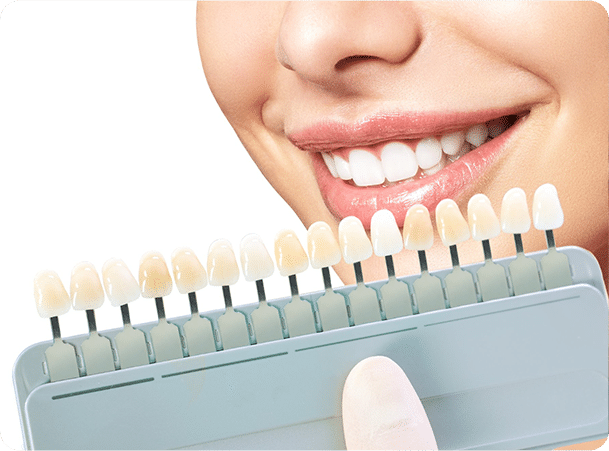
A chipped edge, a tooth that’s darker than the rest or a difference in tooth shape can be difficult to address with whitening alone. Porcelain veneers may help change the appearance of selected teeth by covering their front surfaces with thin ceramic restorations.
At Dunstan Dental, we’ll examine the teeth involved and discuss what you’d like to change. We’ll also look at their condition, your bite and how much natural tooth structure would need to be altered. These details help determine whether veneers are a reasonable option or whether another treatment would make more sense.
To discuss porcelain veneers in Clayton, call Dunstan Dental on (03) 9544 5993 to arrange a consultation.
Understanding What Porcelain Veneers Involve
Porcelain veneers are thin ceramic restorations bonded to the front surfaces of teeth. Depending on the condition of the teeth and the clinical assessment, they may be an option for addressing certain concerns with tooth colour, shape or surface appearance.
Veneer treatment requires careful assessment. The dentist will consider the health of the teeth and gums, the amount of enamel available and how the teeth meet when biting. In some cases, another treatment may be more appropriate.
Preparing teeth for veneers may involve removing enamel permanently. This change to the natural tooth structure, along with the possibility of sensitivity, damage to a veneer or the need for future repair or replacement, should be discussed before treatment proceeds.
Before Committing to Veneers
Veneers require careful planning because the treatment can involve removing enamel permanently. Once that enamel has been removed, it doesn’t grow back, and the tooth will generally need a restoration going forward.
We’ll check the amount and condition of the remaining enamel, look for decay or gum problems, and assess how your teeth meet when you bite. Teeth that are heavily damaged may need a crown or another restoration instead. Grinding and clenching also need to be discussed because they can place extra pressure on veneers.
We’ll talk through the proposed changes, the preparation involved and any alternatives before you make a decision.
How the Treatment Is Carried Out
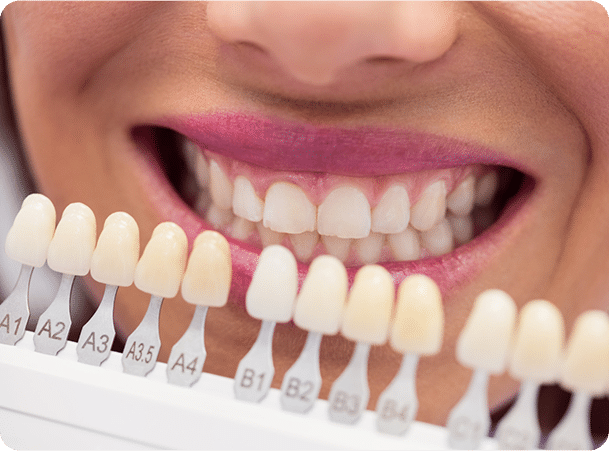
Veneer treatment usually involves several appointments. The exact process depends on how many teeth are being treated and how much preparation is needed.
1. Examination and planning
We'll examine your teeth and gums, discuss the changes you're considering and explain the available options. You'll also receive information about the proposed treatment and fees.
2. Preparing the teeth
Some enamel may need to be removed to accommodate the veneers. The amount varies from one case to another, and we'll explain the planned preparation before proceeding.
3. Taking impressions or scans
We'll record the shape and position of the teeth so the veneers can be made to fit the prepared surfaces and sit appropriately alongside the neighbouring teeth.
4. Fitting the veneers
When the restorations are ready, we'll check their fit and appearance before bonding them to the teeth, where appropriate. We'll then explain how to care for them and what to watch for after treatment.
Your treatment plan will set out the expected stages and appointments. If other dental work needs to be completed first, we’ll discuss how that affects the process.
Veneers, Bonding or Crowns?
Veneers, Bonding or Crowns?
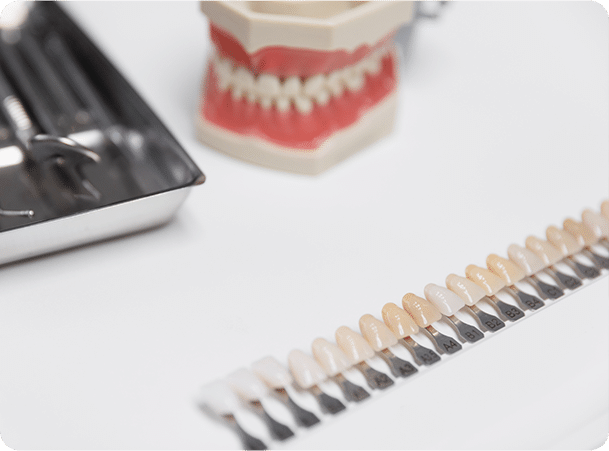
These treatments aren’t interchangeable. Veneers cover the front of a tooth, bonding uses restorative material to change selected areas, and crowns cover more of the tooth.
For a small chip, bonding may involve less alteration to the natural tooth. Where the main concern is colour, whitening may be worth trying before considering veneers. A crown may be more suitable when a tooth has extensive damage and needs greater coverage.
The condition of the tooth, the amount of existing enamel and your bite all influence the choice. We’ll explain the differences during your consultation, including what each option involves and its limitations.
Caring For Your Veneers
Veneers need regular care, just like natural teeth. Although porcelain itself doesn’t decay, the tooth beneath a veneer can, and the surrounding gum tissue can become inflamed if plaque builds up.
To look after your teeth and restorations:
- Brush twice a day with fluoride toothpaste and clean between your teeth daily.
- Let us know if you grind or clench your teeth. Depending on your circumstances, a protective appliance may be appropriate.
- Avoid biting hard objects or using your teeth to open packaging.
- Attend regular dental examinations so the veneers, gums and underlying teeth can be checked.
Veneers can chip, crack or loosen, and they may eventually need repair or replacement. How long they remain serviceable varies, so ongoing care is important.
Risks and Limitations to Take into Consideration
Risks and Limitations to Take into Consideration
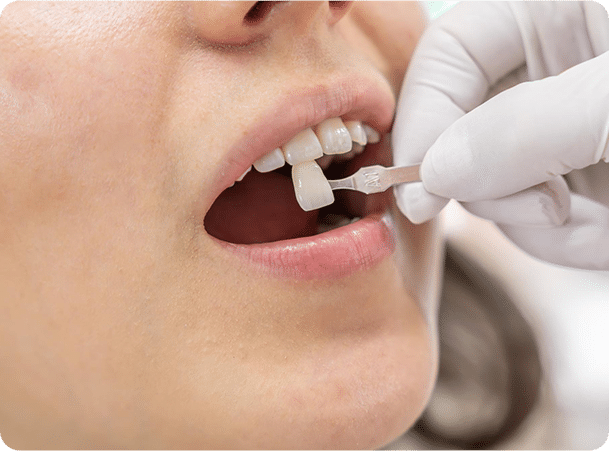
Some people experience temporary sensitivity or gum tenderness after veneer preparation. Because placing veneers may involve removing enamel permanently, it’s worth weighing up the potential benefits against this lasting change to the natural teeth.
Other possible complications include a veneer becoming damaged or detached, decay affecting the underlying tooth, or the restoration needing replacement. The final appearance may also differ from expectations.
We’ll discuss the risks relevant to your circumstances, along with recovery and future maintenance, before treatment begins. You can ask questions about the proposed changes and take time to consider your options before deciding whether to proceed.
How Much Do Porcelain Veneers Cost?
The fee depends on the number of teeth being treated, the preparation required and whether other dental work is needed beforehand.
After examining your teeth, we’ll provide a written treatment plan outlining the proposed treatment and associated costs. If you have private health insurance, contact your fund to ask whether your policy provides any benefits for the recommended treatment. Our team can clarify the information in your plan, while your fund can confirm the benefits available under your cover.
You can also ask our team about the payment arrangements currently available and their terms.
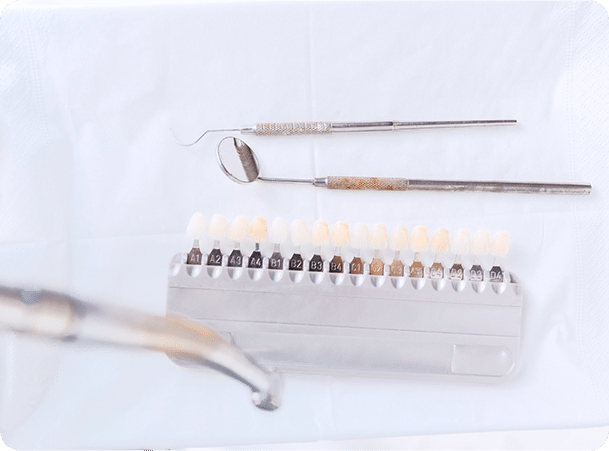
Porcelain Veneers in Clayton
Dunstan Dental welcomes patients from Clayton and nearby suburbs who would like to discuss cosmetic dental treatment. If you’re considering veneers, we’ll examine the teeth you’re concerned about, explain what may be possible and discuss whether another approach could be more suitable.
Book a Consultation
Have questions about porcelain veneers or want to understand whether they’re appropriate for your teeth? Call Dunstan Dental on (03) 9544 5993 to arrange a consultation in Clayton.
We’ll discuss the treatment, preparation, costs and ongoing care so you can make an informed decision.

Veneer treatment may involve permanent removal of tooth enamel. Sensitivity, damage to restorations and the need for future repairs or replacement are among the risks to discuss before proceeding. Suitability and outcomes vary between individuals.
Frequently Asked Questions About Porcelain Veneers
1) Can porcelain veneers correct crooked teeth?
Veneers may change the apparent shape or alignment of certain teeth, but they do not move teeth into new positions. Depending on the degree of misalignment and your oral health, orthodontic treatment or another option may be more appropriate.
2) Will porcelain veneers feel different from natural teeth?
You may notice a difference in how your teeth feel initially, as the restorations change their surfaces or contours. Your dentist can check the fit and bite after placement. Persistent discomfort or a change in how your teeth meet should be assessed.
3) Are porcelain veneers suitable for teeth with large fillings?
It depends on how much healthy tooth structure remains and the condition of the existing filling. A veneer may not provide suitable coverage or support in every case. Following an examination, your dentist can discuss whether a veneer, crown or another restoration may be more appropriate.
4) Does getting porcelain veneers require more than one appointment?
Veneer treatment commonly involves an examination and planning appointment, preparation of the teeth where required, and a later appointment to fit the restorations. The number of visits depends on the treatment plan and whether other dental work is needed first.
5) Can veneers affect the way my teeth meet when I bite?
Veneers change the surfaces of the treated teeth, so their fit and relationship with opposing teeth need to be checked. Your dentist will assess your bite during planning and fitting. Report any ongoing discomfort or difficulty biting after treatment.
6) What happens to the natural tooth underneath a veneer?
The natural tooth remains beneath the restoration, although some enamel may need to be removed to accommodate the veneer. The exposed tooth structure can still be affected by decay, and the veneer itself may chip, loosen or require replacement. Regular dental care remains necessary.